U.S. Economy Slowdown 2025: Why Job Losses Are Increasing & What Fed Rate Cuts Mean for Americans
The U.S. economy Slowdown is showing signs as December 2025 comes to a close. Recent reports indicate a loss of 32,000 private-sector jobs, marking the…

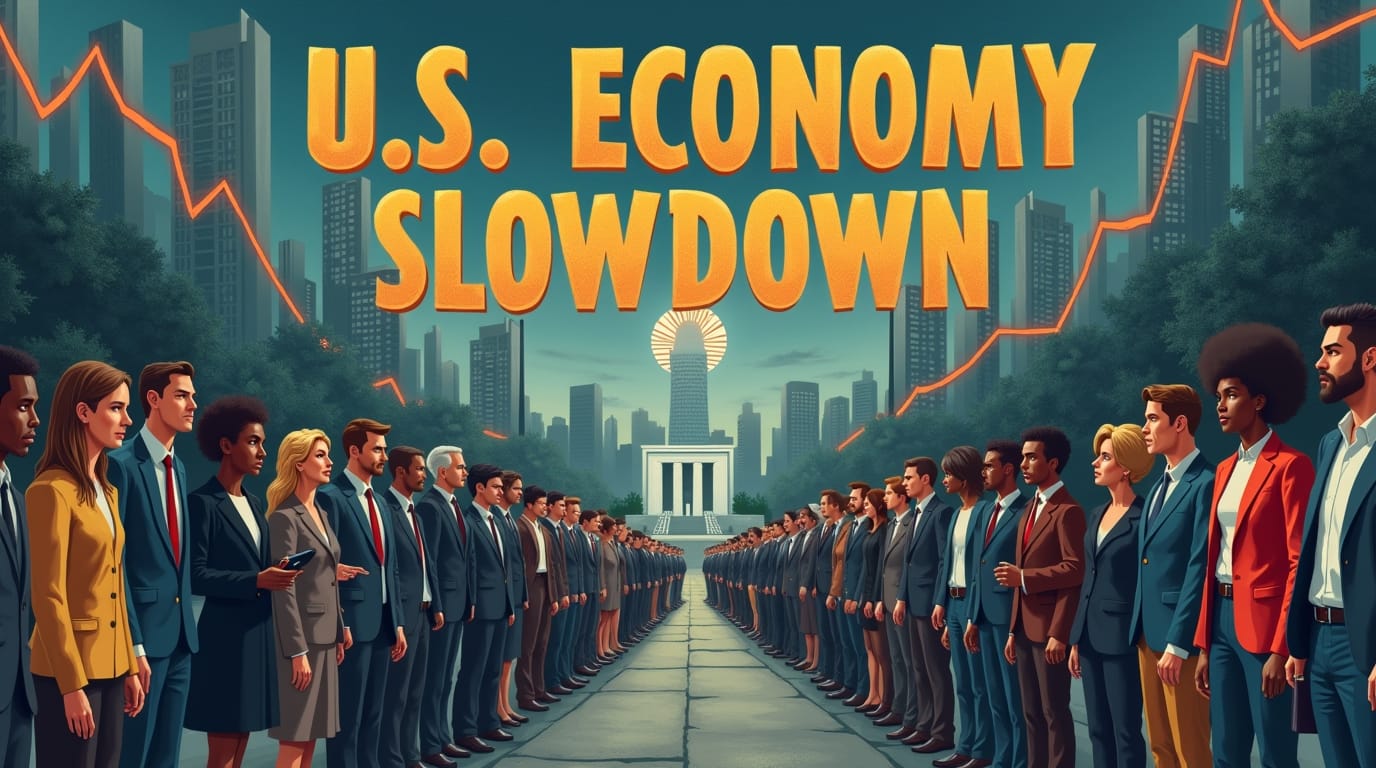
The U.S. economy Slowdown is showing signs as December 2025 comes to a close. Recent reports indicate a loss of 32,000 private-sector jobs, marking the third decline in just four months. This has created ripples across the stock market, consumer confidence, and expectations for the Federal Reserve’s interest rate policy.
This comprehensive analysis explores why these job losses are happening, how Federal Reserve rate cuts may influence the economy, U.S. Economy Slowdown and what it means for American households and businesses.
Understanding the Job Losses: What the Data Tells Us
Private-Sector Job Losses
According to ADP’s payroll data, private employers shed 32,000 jobs in November 2025. While small compared to previous recessions, the trend indicates:
- Slower hiring in tech, retail, and logistics
- Increased layoffs in some manufacturing sectors
- Rising caution among small and mid-sized businesses
Unemployment and Workforce Trends
- The national unemployment rate remained relatively stable but could rise if layoffs continue.
- Workers in high-cost regions are facing higher living expenses and stagnating wages.
- The labor market is shifting toward a “wait-and-see” mode, impacting consumer confidence.
Federal Reserve Rate Cuts: Why They Matter
Current Monetary Policy Context
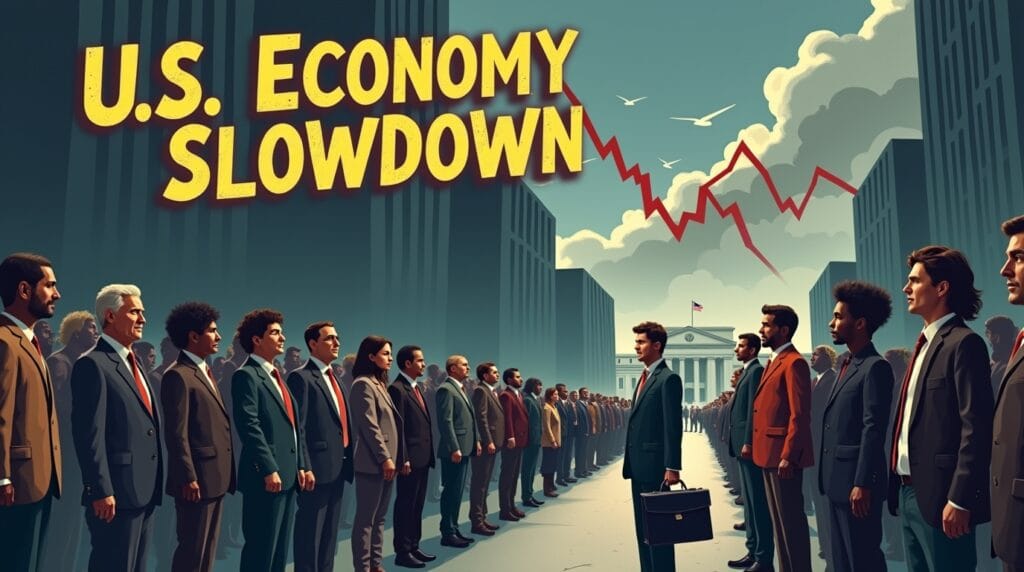
The Federal Reserve has been cautious with interest rates, aiming to balance inflation with economic growth. Recent job losses have increased the likelihood of rate cuts in December 2025.
How Rate Cuts Affect Americans
- Consumers: Lower borrowing costs for mortgages, car loans, and credit cards
- Investors: Boosts stock market as capital becomes cheaper
- Businesses: Encourages investment in expansion and hiring
- Banks: Lower interest income, potential margin pressures
Bottom line: Rate cuts aim to stimulate economic activity and prevent a deeper slowdown.
Sector-by-Sector Impact U.S. Economy Slowdown
Technology
- Tech firms have slowed hiring and reduced spending in AI and cloud infrastructure.
- Layoffs in mid-size tech startups are contributing to overall job losses.
Retail
- Slower consumer spending affects retail chains.
- E-commerce companies remain relatively strong, but some brick-and-mortar stores are struggling.
Manufacturing
- Higher costs and global supply chain pressures reduce production.
- Automotive, appliance, and electronics sectors show modest layoffs.
Logistics and Transportation
- Slower demand for shipping and trucking services impacts employment.
- However, holiday season demand offers temporary relief.
How This Affects U.S. Consumers
1. Employment Concerns
- Workers may delay job changes due to economic uncertainty.
- Freelancers and gig workers face reduced contracts.
2. Spending and Savings
- Consumer confidence may drop, reducing discretionary spending.
- Households may focus on essential items and reduce large purchases.
3. Borrowing and Debt
- Rate cuts can help consumers refinance debt, lowering monthly payments.
- Cheaper mortgages may support housing demand despite economic slowdown.
Stock Market & Investment Trends
- Following the ADP report, investors are pricing in potential Fed rate cuts.
- Tech and growth stocks rallied in early December 2025.
- Treasury yields have softened, reflecting market expectations for easier monetary policy.
- Analysts warn that volatility may increase if job losses continue to mount.
The Broader Economic Picture
Inflation and Cost of Living
- Inflation remains a concern, but slower economic growth could reduce price pressures.
- Americans may still face rising food, energy, and healthcare costs.
Global Influences
- U.S. trade policies, foreign supply chain disruptions, and global energy prices directly impact domestic employment and growth.
- Slower growth abroad can further dampen U.S. exports and industrial production.
Expert Predictions and What to Watch in 2026
- Job Market: Some recovery expected if Fed implements rate cuts effectively.
- Interest Rates: Cuts could continue into early 2026 depending on economic indicators.
- Consumer Behavior: Spending may remain cautious; savings could increase.
- Investment Trends: Stock markets may experience moderate growth if inflation stabilizes.
- Potential Risks: Recession risk remains moderate if layoffs accelerate or global shocks occur.
Conclusion: Navigating the Slowdown
The U.S. economy in December 2025 is at a critical juncture. With private-sector job losses and an impending Federal Reserve response, Americans face a mix of challenges and opportunities:
- Challenges: Job uncertainty, slower growth, inflation pressures
- Opportunities: Cheaper borrowing costs, strategic investments, cautious consumer spending
U.S. Economy Slowdown Understanding these trends is crucial for households, businesses, and investors as the nation enters 2026. Staying informed allows Americans to plan better for employment, finances, and future growth.
Explore more on USATrends,tech