From Smart Homes to Smart Cities: U.S. Green-Tech Initiatives
Introduction The United States has emerged as a global leader in technology-driven sustainability. Green technology is no longer just a futuristic concept—it is actively transforming…

Introduction
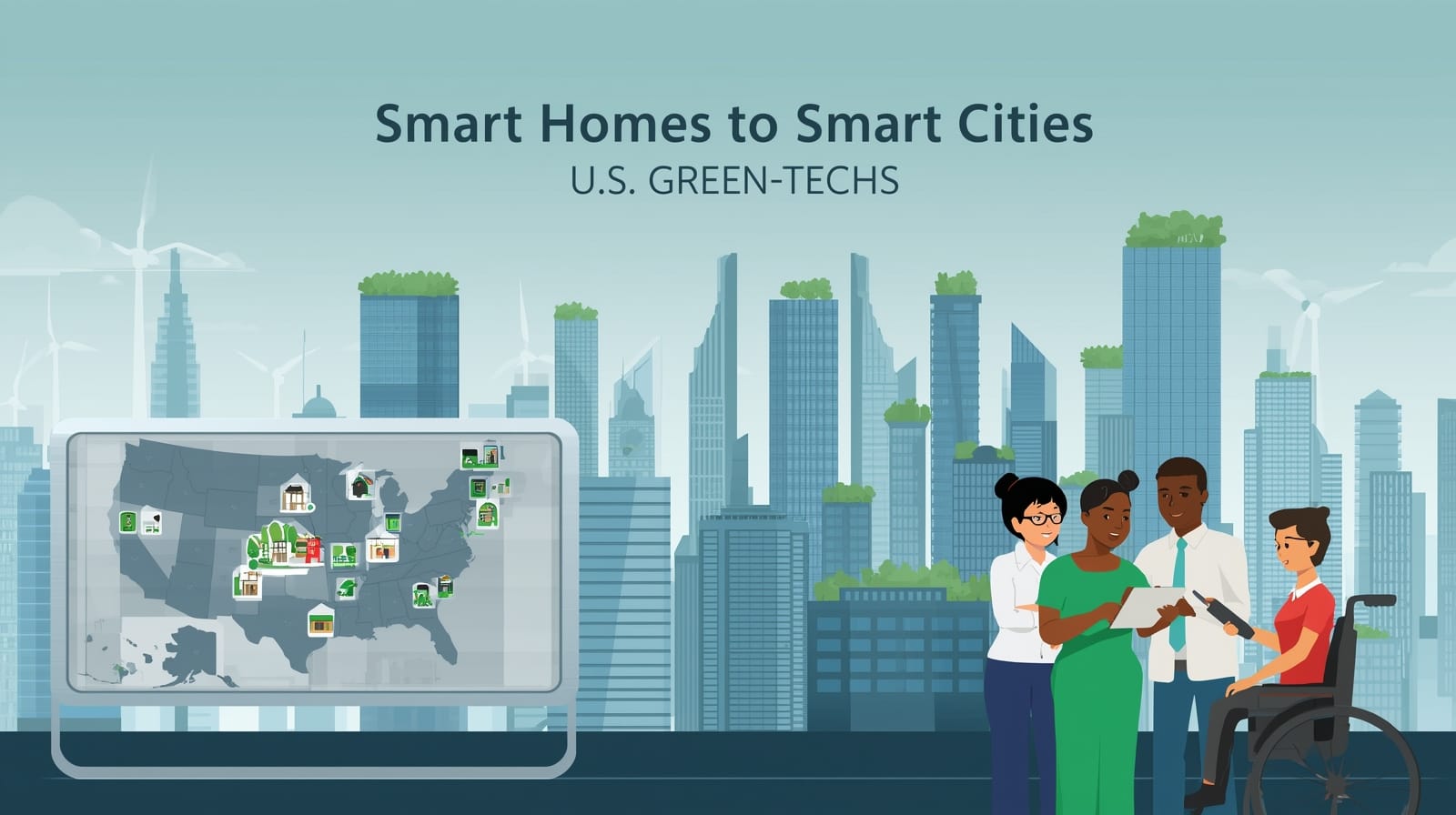
The United States has emerged as a global leader in technology-driven sustainability. Green technology is no longer just a futuristic concept—it is actively transforming homes, businesses, and cities across the nation. From energy-efficient smart homes to integrated smart cities, U.S. green-tech initiatives aim to reduce carbon footprints, improve energy efficiency, and create environmentally conscious communities. This blog delves deep into these trends, exploring innovations, case studies, challenges, and future prospects of green technology in America.
1. Smart Homes: Pioneering Green Living
Smart homes are the foundational step toward a sustainable future. Equipped with advanced technologies, these homes allow homeowners to manage energy, water, and overall resource consumption efficiently.
- Energy-Efficient Appliances: Smart refrigerators, ovens, and washers consume less electricity and adjust operations according to usage patterns.
- Smart Thermostats: Devices like Nest and Ecobee analyze residents’ behavior, weather forecasts, and energy costs to optimize heating and cooling, reducing energy waste by up to 25%.
- Automated Lighting Systems: Motion sensors, daylight sensors, and programmable lighting minimize unnecessary electricity usage, contributing to lower energy bills.
- Home Solar Integration: Solar panels coupled with smart inverters and monitoring apps allow homeowners to track energy generation, usage, and storage in real-time, making renewable energy practical and cost-effective.
Case Study: In Austin, Texas, a pilot smart home project showed that integrating IoT-enabled energy systems with solar panels reduced household energy consumption by 30%, saving an average of $450 annually.
2. Renewable Energy Adoption
The U.S. is investing heavily in renewable energy, integrating it into homes, businesses, and urban infrastructure.
- Solar Power: Residential solar systems are increasingly paired with smart meters and storage solutions, allowing homeowners to use renewable energy even during peak hours.
- Wind Energy: Small-scale urban wind turbines and large utility-scale installations feed into smart grids for optimal energy distribution.
- Energy Storage Systems: Companies like Tesla and LG provide home and commercial battery systems to store renewable energy efficiently, balancing grid demand and reducing reliance on fossil fuels.
Case Study: California’s initiative to integrate solar power with smart-grid technology has led to a 15% reduction in state-wide carbon emissions from electricity generation over the past three years.
3. Electric Vehicles and Smart Charging Infrastructure
Transportation contributes heavily to carbon emissions in the U.S., making EV adoption crucial.
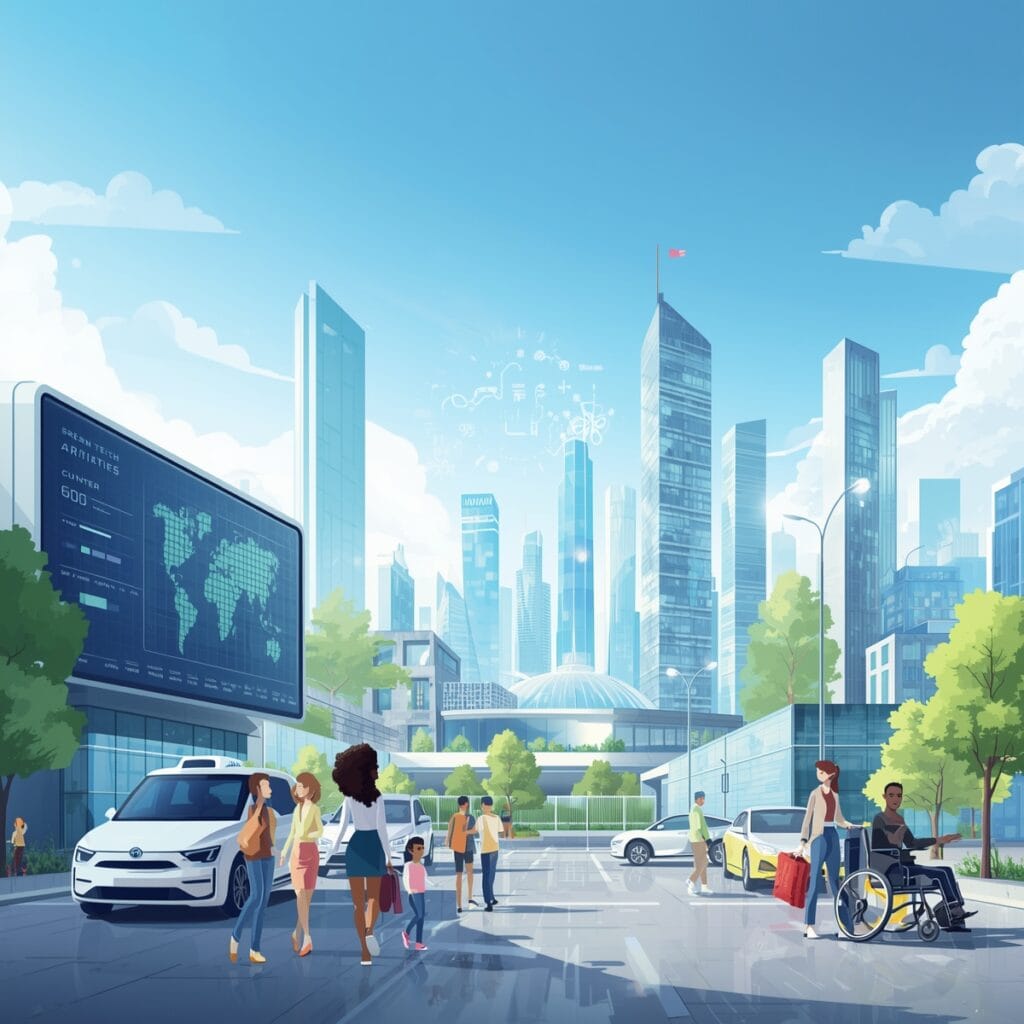
- EV Popularity: Cities like Los Angeles, San Francisco, and New York have seen EV ownership rise by over 40% in the last three years due to incentives and expanded charging networks.
- Smart Charging Stations: AI-enabled charging stations optimize energy use, charge during off-peak hours, and integrate with renewable energy grids.
- Vehicle-to-Grid (V2G) Technology: EVs can store energy and feed it back to the grid during peak demand, enhancing grid stability and sustainability.
Case Study: New York City’s EV pilot program demonstrated that integrating V2G-enabled taxis into the city grid could reduce emissions by 12% while supporting renewable energy utilization.
4. Smart Cities: Scaling Sustainability
Smart cities extend green technology from individual homes to entire urban ecosystems. They integrate IoT, AI, and sustainable infrastructure for efficient resource management.
- Traffic Management: AI-driven traffic lights and connected sensors reduce congestion and emissions by optimizing traffic flow.
- Water Management: Smart meters and IoT sensors detect leaks, monitor water quality, and optimize water usage.
- Renewable-Powered Public Transit: Electric buses and trains powered by solar and wind energy reduce urban emissions significantly.
- Sustainable Urban Planning: Green rooftops, vertical gardens, energy-efficient buildings, and eco-friendly public spaces improve air quality and urban living standards.
Case Study: Seattle’s smart city program deployed over 5,000 sensors to monitor energy and water usage, resulting in a 20% reduction in municipal energy consumption within two years.
5. Government Policies and Incentives
Federal and state policies drive U.S. green-tech adoption.
- Tax Credits for Renewable Energy: Incentives for solar, wind, and energy-efficient systems encourage residents and businesses to invest in green technology.
- EV Incentives: Federal tax rebates and state-level programs make electric vehicles more accessible.
- Green Building Standards: LEED and ENERGY STAR certifications promote sustainable construction practices.
- Research Grants: Federal funding supports innovation in renewable energy, energy storage, and smart city development.
6. Corporate Engagement in Green Tech
Private companies play a significant role in accelerating U.S. green-tech initiatives.
- Tech Giants: Google, Apple, and Microsoft power their campuses entirely with renewable energy and implement sustainability programs across operations.
- Startups: Innovative startups are creating smart home devices, EV infrastructure solutions, and sustainable consumer products.
- Public-Private Partnerships: Collaborations with cities enable large-scale smart city projects and efficient resource management.
7. Economic and Social Impact
Green technology is not just about the environment; it drives economic growth and social development.
- Job Creation: Renewable energy projects, smart city deployments, and EV infrastructure generate thousands of new jobs across the U.S.
- Energy Cost Savings: Businesses and households save money through optimized energy use.
- Community Health Benefits: Reduced emissions improve air quality, decreasing respiratory illnesses and improving overall public health.
8. Challenges in Implementation
Despite the progress, green-tech initiatives face hurdles:
- High Initial Investment: Smart home systems, solar panels, and EVs require upfront costs that can deter adoption.
- Infrastructure Constraints: Aging power grids and urban layouts can limit smart city scalability.
- Cybersecurity Concerns: Connected devices and IoT networks need robust security protocols.
- Public Awareness: Educating citizens on the benefits of green technology is essential for widespread adoption.
9. Future Trends in U.S. Green Tech
The next wave of innovation will further transform the landscape:
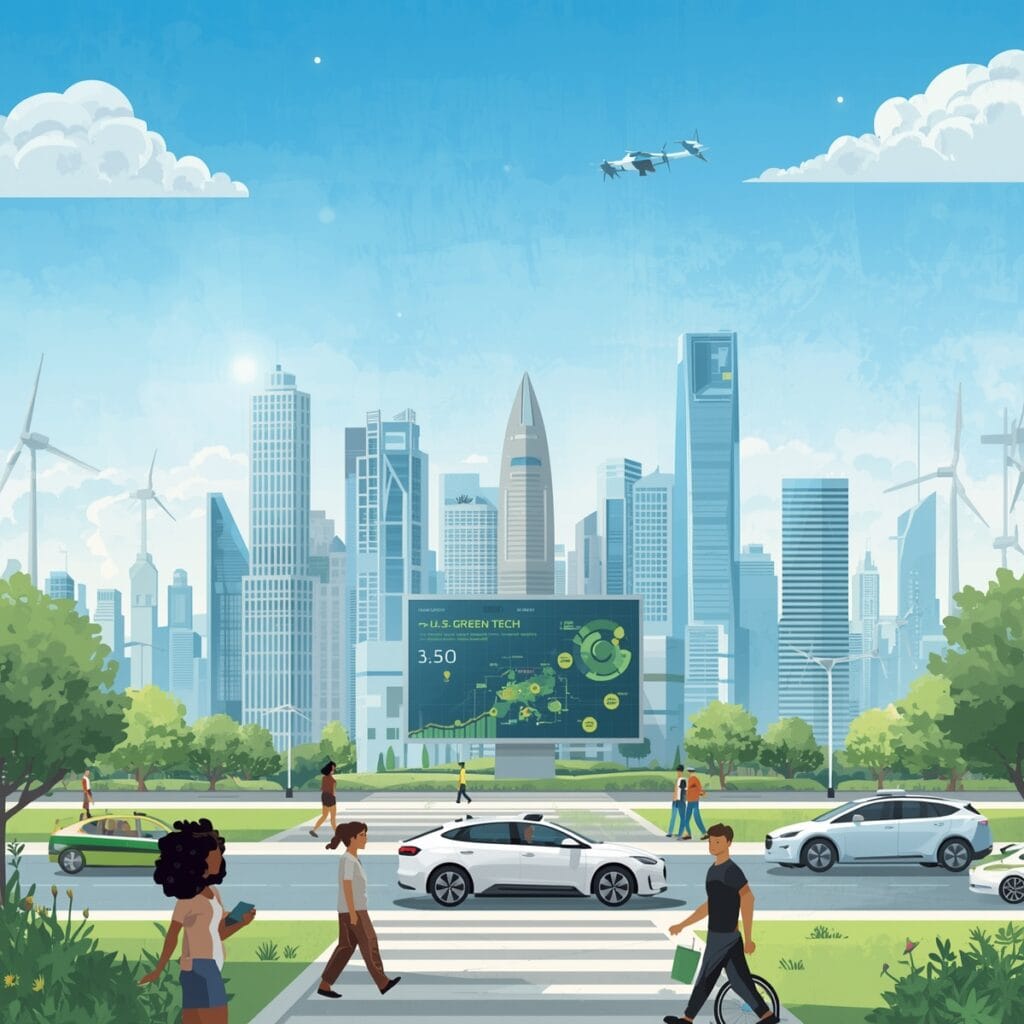
- AI-Driven Energy Optimization: Artificial intelligence will manage energy consumption across homes and cities with predictive analytics.
- Advanced Energy Storage: Cutting-edge battery technologies will enable longer and more efficient energy storage.
- Circular Economy Integration: Recycling and repurposing materials will become a key part of urban planning.
- 5G and IoT Integration: Faster, connected networks will allow real-time monitoring and efficient resource distribution.
10. Citizen Participation and Lifestyle Changes
Individuals can contribute meaningfully to green-tech adoption:
- Installing smart thermostats, lighting, and appliances.
- Using renewable energy sources such as solar panels.
- Switching to electric or hybrid vehicles.
- Supporting local smart city initiatives and sustainability programs.
- Advocating for policies that promote green technology and renewable energy.
11. Conclusion
From energy-efficient smart homes to fully integrated smart cities, U.S. green-tech initiatives are transforming urban and suburban landscapes. Government policies, corporate innovation, and citizen engagement are accelerating adoption, making sustainable living accessible and practical. The integration of renewable energy, smart infrastructure, and intelligent technology is shaping a greener, smarter, and healthier America.
By embracing these innovations, the U.S. demonstrates how technology can harmonize with sustainability, creating a blueprint for other nations to follow. The journey from smart homes to smart cities is not just a technological revolution—it is a societal shift toward a cleaner, more resilient, and eco-conscious future.
Find practical tips to make your home eco-friendly – read more on USATrends.tech